
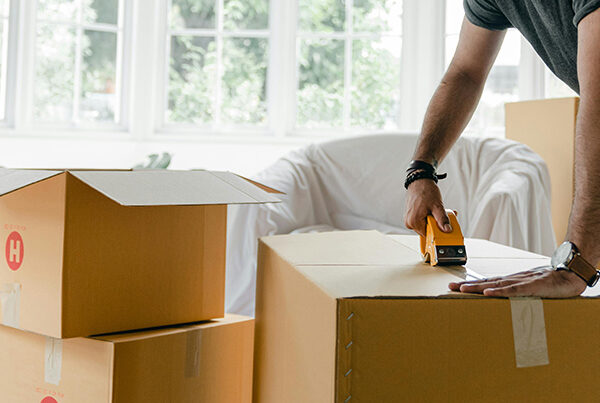
Moving house can feel exciting, stressful, messy, and time-consuming all at once. There are practical things to organise, dates to keep track of, people to notify, and a thousand little details that can easily pile up if you do not have a plan. The good news is that moving becomes far more manageable when you break it into stages and tackle it step by step.
This guide is designed to help you do exactly that. From booking your movers and decluttering your home to packing, changing your address, and preparing for moving day, these are the key things to focus on if you want your move to feel smoother and more in control.
1. Book your moving company as early as possible
One of the first things to organise once your move is confirmed is your moving services. Leaving this too late can create unnecessary stress, especially if you are moving during a busy period or need a specific date.
Before asking for quotes, spend a bit of time researching your options. Start with a search for moving companies in your area, or in the area you are moving to, and then look beyond the company website. Reviews can tell you a lot about how a company actually operates, especially when it comes to communication, reliability, and care with belongings.
It is worth checking more than one source so you get a broader view of their reputation.
Places to check include:
- Google reviews
- NoCowboys
- Trade Me Services
- Local Facebook community groups
- Neighbourly recommendations
When reading reviews, do not just look at the score. Read the comments as well. A few things are especially worth paying attention to:
- whether reviews are recent
- what people say about punctuality and professionalism
- how the company responds when something goes wrong
- whether customers felt informed throughout the process
Once you have shortlisted a few movers, contact your top three or four and request written quotes. Email is usually best because it keeps the details clear and recorded.
Information to include when requesting quotes:
- your preferred moving date
- the size of your current home
- a summary of your furniture or inventory
- whether either property has stairs, basements, or difficult access
- whether there are narrow driveways, steep paths, or limited parking
- any special packing or handling requirements
- whether you need help with storage, packing, unpacking or other related services
When the quotes come back, try not to base your decision on price alone. Good communication, reliability, experience, and clarity matter just as much. A cheaper quote is not always better if it comes with vague terms, slow replies, or uncertainty around what is included.
Before confirming, make sure you understand:
- the payment terms
- whether a deposit is required
- what the company will and will not transport
- the estimated time to complete the move
- what their insurance obligations are
- whether any third-party services they are arranging are properly confirmed
Once you are happy, lock in your booking early and get confirmation in writing. That one step can bring a lot of peace of mind.
2. Declutter before you start serious packing
If there is one thing that can make a move easier, cheaper, and more satisfying, it is decluttering before the packing really begins.
Moving is the perfect time to ask yourself what you actually want to take into your next home. The more you reduce now, the less you need to pack, carry, unpack, store, and organise later. This can be especially important if you are downsizing or wanting a cleaner, fresher start in your new space.
Rather than looking at the whole house and feeling overwhelmed, break the task down into smaller jobs. Choose a few priority areas first and work through them gradually.
A simple way to get started:
- pick the top three areas that need the most attention
- work in short blocks of time
- focus on one drawer, one shelf, or one cupboard at a time
- start with an easy area to build momentum
- reward yourself as you make progress
Small daily effort is often much more effective than waiting for one big burst of motivation.
As you sort through things, create clear categories.
Useful decluttering categories:
- Keep
- Donate
- Sell
- Recycle
- Dispose
Donating can be a great option for items that still have life in them. Local charities, neighbours, and community Facebook groups can all be helpful here. Selling can work too, but it is usually worth focusing on a few quality items rather than trying to make a few dollars from lots of smaller things.
Anything you no longer want but cannot donate or sell should be disposed of responsibly where possible. If needed, a rubbish or junk removal service can help with this too.
Decluttering can also bring up emotion, especially if your move represents a major life change. That is completely normal. If you are finding it hard to part with things or make decisions, getting help from a friend, family member, or professional organiser can make the whole process feel lighter and less exhausting.
3. Pack with a plan, not in a panic
Packing is much easier when you start early and stay organised. The best approach is to treat it as a process, not something you leave until the final few days.
Start by gathering the supplies you need. You may be able to find second-hand moving boxes through community pages, or you might prefer to buy new ones. Strong boxes are worth it, especially for heavier household items.
Packing supplies to organise early:
- sturdy moving boxes
- tape
- markers for labelling
- wrapping paper or packing paper
- bubble wrap or protective materials
- item protectors for fragile pieces
If you are using recycled boxes, make sure they are still in good condition. If you are buying new ones, reusable or sustainable options can be a great choice.
A smart way to tackle packing is to start with items you use the least. That might include books, seasonal clothing, decor, spare linen, or kitchen items you do not need every day. You can also use this time to work through pantry supplies rather than moving food you may not use.
Good packing habits include:
- packing non-essential items first
- working room by room
- setting simple goals, such as one box a day
- packing while you declutter to avoid double handling
- Packing heavy items in smaller boxes
- Organising and packing similar items in the same box
- Packing electronics and remotes in the same box and clearly label so it’s easy to find when you’re setting up the TV in your new home
How you pack matters just as much as when you pack. Fragile items should be cushioned properly, and boxes should not be too heavy or too empty. If a box is overpacked, it becomes difficult and unsafe to lift. If it is underpacked, items may shift and get damaged.
There are also a few things that are best kept separate from the main move.
Items to transport yourself if possible:
- passports and important documents
- jewellery and valuables
- medication
- fragile keepsakes
- delicate indoor plants
- Mobile phone and tablets
You should also check what your movers will not transport. Flammable or hazardous goods often cannot go on the truck, so these need to be dealt with separately.
Labelling is one of the most important parts of packing well. Write the contents on the box and note which room it belongs in at the new house. You can even colour code boxes by room if that helps. This will save a huge amount of time when unloading and unpacking.
4. Get your new home ready before you arrive
A lot of moving stress comes from arriving at the new house and realising there are jobs you wish you had done earlier. Thinking ahead here can make settling in much easier.
Before moving day, consider what needs to happen in the new home so that it feels clean, functional, and ready to live in from day one.
This might include:
- carpet cleaning
- a full house clean
- internet or media setup
- water filter installation
- arranging TV and artwork installation
- delivery of new furniture
- curtain or blind installation
Not every home will need all of these, but it helps to work out what your priorities are. Some tasks are far easier to do while the house is still empty, so try to schedule those early if you can.
Ask yourself what needs to be in place for the first few days to feel comfortable. For some people that means the house needs to be thoroughly cleaned before anything is brought in. For others, it may be internet access, working appliances, or furniture delivery. Thinking through that now will help you feel more settled later.
5. Change your address and notify key providers
Changing your address can feel like a job that drags on forever unless you approach it in a structured way. The easiest option is to create a checklist and work through it in categories rather than trying to remember everyone off the top of your head.
Groups to notify may include:
- power, gas, water, and internet providers
- banks and credit card providers
- insurance companies
- medical providers
- schools and childcare
- subscriptions and memberships
- charities
- local council
- online shopping accounts and retail stores
Some address update services, like NZ Post’s Change My Details service, may help simplify part of this process, especially for utilities or retail accounts. Even so, be prepared for some providers to contact you to verify changes.
For banks, insurance, and financial organisations, the process is usually more formal. In most cases, you will need to go through identity checks before they will update your information. That is why it is worth doing these early rather than leaving them until after the move.
A simple checklist can make a big difference here. Every time you update one provider, tick it off and move on to the next. That way nothing gets forgotten.
6. Use the final week to tie everything together
The week before moving day is the time to tidy up loose ends and make sure everyone knows what is happening.
Start by contacting your movers again to confirm the booking, timing, and any important requirements you have already discussed. Even if it feels repetitive, it is often worth sending a final email with the key details so nothing is missed.
Things to confirm with your movers:
- arrival time
- access details
- any preparation you are required to do before they arrive
- special handling requirements
- additional services such as packing and unpacking
- any priority items to be unloaded first/last
This is also a good time to make sure your plan for the new house is clear. One very useful step is to sketch out a simple room-by-room plan, or use the real estate listing floor plan, showing where major pieces of furniture should go. That way the movers can place things correctly the first time, rather than leaving you to shift heavy furniture around afterward.
The final week may also involve your pre-settlement inspection and legal checks. Make sure you understand:
- whether settlement is on track
- when and how keys will be handed over
- how the appliances in the new house work
- whether there are any alarm systems or access codes to note
If you have pets, put a plan in place for them too. Moving day can be disruptive and noisy, so having them safely managed can reduce stress for everyone.
One of the best things you can prepare during this final week is a moving day essentials box.
Your essentials box might include:
- water bottle and snacks
- tea or coffee supplies
- medication
- toiletries
- toilet paper
- hand soap
- dishwashing liquid
- cloths and cleaning spray
- bin liners
- phone charger
- kids’ toys or bedtime items
- pet food and pet supplies
- a change of clothes
Keep this box separate from everything else so it stays easy to access.
7. Stay calm and focused on moving day
By the time moving day arrives, most of the hard work should already be done. The goal now is to stay present, answer questions, and keep key items close by.
Make sure someone is available to guide the moving team if needed. If there are items you want unloaded first at the new house, tell them early, as this will affect how the truck is packed.
A few important moving day reminders:
- keep your essentials box out of the truck
- have extra tape or packing materials on hand
- make sure someone is available for questions
- double check meter readings if needed
- do a final walkthrough before leaving
Before you lock up the old home, check:
- drawers
- cupboards
- wardrobes
- laundry
- garage or shed
- outdoor areas
- washing line
These are the places where things most often get left behind.
If you like, you can also leave a short note for the new owners with your forwarding address in case any unexpected mail turns up after you have gone.
Once you arrive at the new place, use your labels and room plan to help direct boxes and furniture into the right areas. That one bit of preparation can make the house feel far more manageable from the moment you walk in.
A simple moving checklist summary
If you want the shorter version, here is the process at a glance.
As soon as your move is confirmed:
- research and book your movers
- book your exit clean and pet care services
- start decluttering
- gather packing supplies
In the weeks leading up to the move:
- keep sorting and reducing what you own
- begin packing non-essential items
- organise services for the new house
- prepare your room plan
- start changing your address
In the final week:
- confirm everything with movers
- finish packing, if you’re packing yourself
- get your essentials box ready
- organise pets, keys, and settlement details
On moving day:
- keep key items separate
- support the movers with clear directions
- do a final check of the old property
- use labels and your room plan to make unloading easier
Final thoughts
A smoother move does not happen by accident. It comes from planning early, staying realistic about what needs to be done, and working through the process one step at a time. When you book the right movers, reduce what you do not need, pack with intention, prepare your new home, and stay on top of the final details, moving house becomes far less overwhelming.
This guide gives you a practical framework to do exactly that, so instead of feeling like everything is happening at once, you can move forward with a clearer plan and a lot more confidence.

