
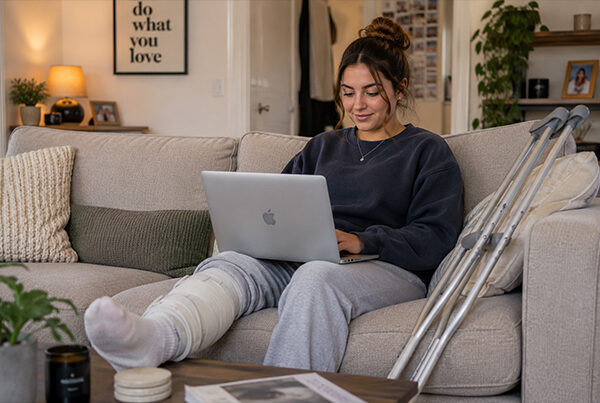
Moving home can be demanding at the best of times, but when health issues, limited mobility, pain, fatigue, or medical needs are part of daily life, the process can feel much more complex. It is not just about packing and transport. It is also about conserving energy, reducing risk, protecting wellbeing, and making sure the new home is ready to support day-to-day life from the moment you arrive.
The good news is that a move can feel far more manageable when it is planned carefully and approached with the right kind of support. When you break the move into stages, prioritise safety, and focus on what will make life easier, it becomes possible to move in a way that feels calmer and more in control.
1. Start planning earlier than you think you need to
When health or mobility challenges are involved, time is one of the most helpful things you can give yourself. Rushing usually increases stress, physical strain, and the chance that important details will be missed.
Starting early gives you room to:
- pace yourself
- organise support
- make thoughtful decisions
- avoid unnecessary physical effort
- prepare the new home properly
Even small tasks can take more out of you when you are managing pain, fatigue, balance issues, or limited movement. Giving yourself extra time makes the process gentler and safer.
2. Think about your daily needs first
Before you get too deep into packing and logistics, take a step back and think about how you live day to day. A successful move is not just about getting your belongings into the new home. It is about making sure the new home works well for your health, comfort, and independence.
Ask yourself:
- What activities are hardest for me physically?
- What do I need help with?
- What do I need easy access to every day?
- What setup helps me feel safe and comfortable?
- Will the new home support my current needs well?
- Are there any risks I need to reduce before moving in?
This kind of thinking helps shape better decisions from the start.
3. Be realistic about what you can and should do yourself
One of the biggest mistakes people make is trying to push through too much. When you are already managing health or mobility issues, overdoing it can lead to pain, exhaustion, setbacks, or injury.
Be honest about what is realistic for you.
It may help to separate tasks into three groups:
Tasks you can comfortably do yourself
These may be lighter jobs such as:
- making decisions about what to keep
- sorting paperwork
- coordinating bookings
- packing a few small items at a time
Tasks you may be able to do with support
These might include:
- Decluttering small areas
- Planning furniture layout
- Organising cupboards
- Preparing items for donation
Tasks best handed over to others
These may include:
- Decluttering large areas
- Packing heavy, large items
- Packing fragile items
- Lifting boxes
- Moving furniture
- Deep cleaning
- Climbing ladders
- Loading and unloading
- Setting up heavier household items
There is nothing gained by exhausting yourself trying to do everything alone. The goal is a safer, smoother move, not proving how much you can manage.
4. Prioritise safety during decluttering and packing
Decluttering and packing can be more physically demanding than people expect. Reaching, bending, lifting, standing for long periods, and making constant decisions can all become draining very quickly.
A better approach is to work in short sessions, choose safer methods and get help.
Helpful ways to reduce strain:
- sit down while sorting where possible
- use a table or bench rather than the floor
- avoid lifting heavy boxes
- keep frequently used items accessible
- work on one small area at a time
- take regular breaks before you feel exhausted
- ask someone else to handle high shelves and low cupboards
- get help from a friend or a service provider
If you use mobility aids, make sure walkways remain clear while packing is underway. Boxes, bags, and loose items can quickly become trip hazards.
5. Keep medical and personal essentials completely separate
When moving with health concerns, there are some items that should never be packed away with the general household contents. These need to stay with you and remain easy to reach at all times.
Keep these items in a clearly labelled essentials bag or box:
- medications
- prescriptions
- mobility aids
- glasses or hearing aids
- chargers for medical devices
- important medical documents
- toiletries
- a change of clothes
- water bottle and snacks
- phone and charger
- comfort items you use daily
If you rely on specific equipment, double check that it is packed safely and that you know exactly where it is during the move.
6. Prepare the new home with accessibility in mind
One of the most important parts of the move may be what happens before you arrive. If the new home is not set up in a way that supports your mobility, comfort, and safety, settling in can feel much harder than it needs to.
Think in advance about what should be ready before move-in day.
This might include:
- clear access paths
- furniture arranged for easy movement
- grab rails or supports if needed
- non-slip mats
- good lighting in key areas
- an easy-to-access bed setup
- a usable bathroom from day one
- kitchen items stored at reachable heights
- seating in the right places for rest
If possible, avoid creating a situation where you arrive and then have to navigate around clutter, unopened boxes, or poor furniture placement. The more functional the home is straight away, the easier the transition will feel.
7. Create a floor plan before moving day
A simple floor plan can make a huge difference, especially if moving furniture around after the move would be difficult or painful. Knowing where major items should go before the truck arrives helps reduce confusion and unnecessary reshuffling.
Focus especially on:
- the bed
- bedside table
- favourite chair
- dining table
- walking paths
- bathroom storage
- kitchen essentials
- any equipment you use regularly
Try to arrange the new home so the most important spaces feel easy and practical from the start.
8. Plan for fatigue, not just time
Many moving plans focus only on deadlines and task lists. But when you have health or mobility challenges, energy is often just as important as time.
A task may only take 20 minutes, but it might leave you tired for the rest of the day. That is why it helps to plan around your energy levels rather than assuming you can keep going for hours.
A gentler way to work:
- schedule one or two key tasks per day
- do demanding tasks at your best time of day
- leave recovery time between jobs
- build in rest before and after moving day
- keep meals, fluids, and medication routines on track
- Get help from a friend or service provider such as professional moving assistants, packers, unpackers and professional organisers
Pacing matters. Doing a little less each day often leads to a much better outcome than pushing too hard and becoming unwell.
9. Consider what support would make the move safer
The right support can change the entire moving experience. This might come from family, friends, neighbours, professional movers, packers, organisers, cleaners, or a full-service move manager.
Think about where support would have the biggest impact.
Useful areas to get help with:
- decluttering
- packing
- removals
- move-day coordination
- exit and entry cleaning
- unpacking
- bed making and bedroom setup
- bathroom and kitchen setup
- disposing of unwanted items
- preparing the old home for handover
Support is not just about convenience. It can protect your energy, reduce physical strain, and help you arrive at your new home feeling better able to cope.
10. Think carefully about moving day itself
Moving day can be noisy, busy, and tiring. There may be people coming and going, routines disrupted, and a lot of decisions being made quickly. When you have health or mobility challenges, it helps to keep the day as simple and calm as possible.
Helpful moving day strategies:
- have one person available to answer questions from movers
- use a Move Day Manager to help look after the logistics on move day
- keep your essentials with you, not on the truck
- sit down and rest regularly
- keep pathways clear
- avoid trying to supervise everything personally
- make sure snacks, medication, and water are easy to access
- wear comfortable clothing and supportive footwear
If standing or being around the activity is tiring, it may help to spend part of the day elsewhere and return once the main unloading is done.
11. Set up the most important spaces first
If you have health or mobility issues, you may want to consider having someone help unpack and set-up your essentials on move day. You do not need to unpack the whole house on day one. What matters most is making the home functional, safe, and comfortable as quickly as possible.
Prioritise these areas first:
- bedroom
- bathroom
- kitchen
- seating area
- medication and health supplies
Make sure the bed is ready, the bathroom is easy to use, and the basics for eating, drinking, and resting are all in place. Once these essentials are sorted, the rest can be unpacked more gradually.
12. Expect an adjustment period
Even when a move goes well, it can still take time to feel settled. That is especially true if you are also managing pain, fatigue, reduced mobility, or health-related stress.
Try to give yourself:
- time to adjust
- permission to rest
- patience if things feel unfamiliar
- support with small tasks where needed
- space to settle in gradually
A move does not need to be perfect to be successful. Often the biggest win is simply getting through the transition safely and arriving in a home that supports your wellbeing better than before.
13. Focus on comfort, familiarity, and ease
Once the essentials are in place, the next step is helping the new home feel reassuring and comfortable. Familiar belongings can make a big difference here.
Things that often help include:
- your usual bedding
- favourite chair
- familiar kitchen items
- treasured photos
- lamps or lighting you like
- cushions, blankets, or soft furnishings
- easy access to the things you use every day
The more quickly the home starts to feel practical and familiar, the easier it is to relax into the new environment.
A simple checklist for moving with health or mobility challenges
Before the move:
- start planning early
- think through daily needs in the new home
- decide what tasks you can and cannot do safely
- book support where needed
- begin decluttering gradually
- create a floor plan for the new home
In the weeks before moving day:
- confirm movers and any extra services
- pack light, easy items in short sessions
- keep pathways in your home clear
- organise your medical and personal essentials separately
- decide on the floor plan and furniture placement in your new home
- make sure the new home is being prepared properly
On moving day:
- keep medications and essentials with you
- avoid overexerting yourself
- stay hydrated and take breaks
- let others handle lifting and heavy work
- focus on calm, clear communication
- if you’ve booked a full-service move provider, consider going out for the day for a stress-free move day experience
After the move:
- set up the bedroom, bathroom, and kitchen first
- unpack only what is needed initially
- make the space safe and easy to move around in
- allow time to recover and settle in
- ask for help with the remaining tasks if needed
Final thoughts
Moving home when you have health or mobility challenges requires a little more planning, self-kindness and support. The aim is not to do everything yourself or get through it without support. The aim is to move in a way that protects your energy, reduces risk, and helps you settle into your new home as comfortably as possible.

