
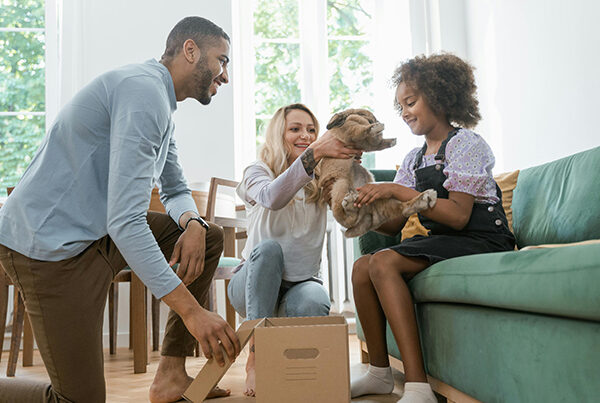
Moving home can be stressful for people, but it can also be unsettling for pets. Animals thrive on familiarity, routine, and a sense of security, so when boxes start piling up, furniture moves around, and strangers begin coming and going, they can quickly become anxious or confused.
The good news is that moving with pets can be much smoother when you plan ahead and think carefully about what they need before, during, and after the move. With the right preparation, you can reduce stress, keep them safe, and help them settle into the new home more comfortably.
1. Think about your pet’s needs early
Every pet responds differently to change. Some adapt quickly, while others can become stressed by even small disruptions to their routine. That is why it helps to think about your pet’s personality and needs early in the moving process.
Ask yourself:
- How does my pet usually respond to change?
- Are they nervous around noise, strangers, or travel?
- Will they need special transport arrangements?
- What will help them feel calm and secure?
- Are there any health, medication, or mobility issues to plan for?
The earlier you think about these things, the easier it is to make good decisions and avoid last-minute stress.
2. Keep routines as normal as possible
One of the best ways to support pets during a move is to keep their daily routine as steady as you can. When the house is changing around them, familiar rhythms help create reassurance.
Try to keep consistency around:
- feeding times
- walks
- toilet breaks
- playtime
- bedtime
- medication schedules
Even if the rest of the house feels chaotic, these small points of routine can help your pet feel safer.
3. Update records and practical details
Before the move, make sure your pet’s important details are up to date. This is especially important if they become frightened and try to escape during the moving process.
Check these practical details:
- microchip information
- ID tag with your current phone number
- vet records
- medication supplies
- flea, worming, or other treatment schedules
- registration details if applicable
If you are moving to a new area, it can also help to research a local vet ahead of time so you know where to go if needed.
4. Pack pet items separately
Just like people need an essentials box, pets need one too. Their key items should stay separate and easy to access so you are not searching through packed boxes for food bowls or a lead.
Your pet essentials kit might include:
- food
- treats
- water bowl and food bowl
- lead, harness, or collar
- litter tray and litter if needed
- waste bags
- bedding
- favourite toys
- medication
- grooming supplies
- cleaning items for accidents
- crate or carrier
Having these items close by will make moving day and the first night in the new home much easier.
5. Prepare them gradually for the change
Pets often pick up on change long before moving day. Boxes, packing tape, furniture shifting, and unfamiliar activity can all be signs that something is different.
Where possible, try to introduce change gradually rather than all at once. Leave boxes out early so they become part of the environment. Pack slowly if you can. Keep one familiar area in the house as unchanged as possible for as long as you can, especially for cats or more anxious animals.
This can help reduce the shock of everything changing at once.
6. Think carefully about moving day
Moving day can be one of the most stressful parts of the process for pets. Doors are often left open, people come and go, and routines are disrupted. There is also more noise and movement than usual, which can make animals frightened or reactive.
Options to consider for moving day:
- leaving pets with a trusted friend or family member
- booking them into a cattery or kennel
- arranging doggy daycare
- keeping them in one secure room until it is time to leave
- transporting them yourself rather than with movers
For many households, having pets cared for away from the home on moving day is the least stressful option. If they will stay with you, make sure they are safely contained and cannot slip out during the activity.
7. Travel safely
The trip to the new home should be planned carefully, especially if your pet is not used to travel.
Helpful travel tips:
- use a secure crate or carrier where appropriate
- make sure dogs are properly restrained in the car
- bring water and comfort items
- allow toilet breaks on longer trips
- never leave pets unattended in a parked vehicle
- keep medication with you if needed
If your pet becomes highly anxious during travel, it may be worth speaking to your vet in advance for advice.
8. Set up a safe space first in the new home
When you arrive at the new home, do not expect your pet to feel comfortable straight away. The space will smell unfamiliar and may feel confusing at first.
A helpful first step is to set up one quiet, secure area just for them.
Include familiar items such as:
- their usual bed
- blankets
- toys
- bowls
- litter tray if needed
- food
- something that smells like home
This gives them a calm base while the rest of the house is still being unpacked.
9. Introduce the new home gradually
It can be tempting to give pets free run of the whole house straight away, but many settle better if they are introduced gradually.
For example:
- start with one room
- let them calm down there first
- expand access slowly
- supervise early exploration
- keep an eye on stress signals
Cats in particular often do better when given time to adjust in stages rather than being overwhelmed by a full new environment all at once.
10. Be extra careful with outdoor access
One of the biggest risks after a move is pets escaping before they are settled. A frightened animal in an unfamiliar area can easily become lost.
Important precautions:
- keep cats indoors initially, for a couple of weeks
- check fences and gates before letting dogs out
- supervise outdoor time early on
- make sure tags and microchip details are updated
- avoid off-lead walks until your dog is settled and responsive
It is usually best to wait until pets seem more comfortable and familiar with their new surroundings before giving them more freedom.
11. Watch for signs of stress
Pets do not always show stress in obvious ways. Some become clingy, while others hide, bark, stop eating, or behave differently than usual.
Common signs of stress may include:
- pacing
- hiding
- changes in appetite
- toileting accidents
- excessive meowing or barking
- restlessness
- destructive behaviour
- withdrawal
Some adjustment is normal, but if your pet seems especially distressed or the behaviour continues, it may be worth checking in with your vet.
12. Help them settle with familiarity and reassurance
As the unpacking continues, focus on creating a sense of normal life again. Familiar items, routine, and calm interaction all help your pet settle.
Things that usually help include:
- putting their bed in a consistent place
- returning to usual feeding and walking times
- bringing out familiar toys
- speaking calmly and reassuringly
- giving them quiet time if they need it
- not forcing interaction before they are ready
Just like people, pets often need a little time to feel secure in a new environment.
13. Be patient with the adjustment period
Some pets seem settled within a day or two. Others may take weeks to fully adjust. That is normal.
Try not to expect too much too quickly. The goal is not an instant perfect transition. It is helping your pet feel safe, cared for, and gradually more comfortable in the new home.
With patience, steady routines, and a calm environment, most pets do settle well.
A simple checklist for moving home with pets
Before the move:
- think about your pet’s needs and temperament
- keep routines as normal as possible
- update microchip and ID details
- organise medication and records
- prepare a pet essentials kit
- make a plan for moving day care or transport
In the weeks before moving day:
- pack gradually
- keep one familiar area for your pet
- research a new local vet if needed
- check crates, carriers, leads, or travel gear
On moving day:
- keep pets secure and away from open doors
- use trusted care options if possible
- transport pets safely
- keep food, water, and medication easy to access
After the move:
- set up a quiet safe space first
- introduce the new home gradually
- supervise outdoor access carefully
- return to normal routines quickly
- watch for signs of stress and give them time to adjust
Final thoughts
Moving home with pets requires a little extra planning, but it can be done in a way that feels much calmer and safer for everyone. The key is to think beyond the boxes and remember that pets need familiarity, security, and routine during times of change.
When you prepare well, keep essentials close, make moving day safer, and help them settle gradually, the whole transition becomes much easier. Your new home will not feel familiar to them straight away, but with time, patience, and reassurance, it will start to feel like home for them too.

